
Unlock the Potential of Your Deck: Essential Maintenance and Upkeep Guide
A well-maintained deck not only enhances the aesthetic appeal of your outdoor space but also extends its lifespan. Whether you’re looking to restore an old deck or improve its current condition, regular maintenance is crucial. This guide will provide you with essential tips on how to keep your deck in top shape, ensuring it remains a beautiful and functional part of your home for years to come.
Why Deck Maintenance Matters
Decks are exposed to the elements year-round, facing challenges from rain, snow, sun, and temperature fluctuations. These factors can lead to wear and tear, affecting both the appearance and structural integrity of your deck. Regular maintenance not only preserves the beauty of your deck but also prevents costly repairs and enhances safety.
Essential Deck Maintenance Tips
1. Routine Cleaning
Keeping your deck clean is the first step in maintaining its beauty and longevity. Dirt, leaves, and debris can trap moisture, leading to mold and mildew growth. Regular sweeping and washing can prevent this.
– Sweep Frequently: Use a broom to remove leaves and debris. It’s best to sweep your deck weekly to keep it free from accumulation.
– Wash Periodically: Clean your deck with a mild detergent and water. For tougher stains, a power washer can be used, but be careful not to damage the wood. Aim to wash your deck at least once a season.
For areas with high traffic, consider using a deck cleaner that’s specifically formulated to break down grime and stains. Avoid using bleach or harsh chemicals that can degrade the wood and harm surrounding vegetation.
2. Inspect and Repair
Regular inspections help identify and address issues before they become major problems. Look for signs of damage such as cracks, splinters, or loose boards.
– Check for Rot and Decay: Pay close attention to areas that are frequently wet or shaded, as these are prime spots for rot. Use a screwdriver to test the wood’s integrity—soft wood indicates rot.
– Tighten Loose Screws and Nails: Replace any that are missing or damaged. Loose fasteners can cause the deck to become unstable, posing safety risks.
– Repair Cracks and Splinters: Sand down splintered areas and fill cracks with wood filler. For larger cracks, consider using an epoxy wood filler that can provide more durability.
Examine the joists and support beams under the deck for signs of sagging or damage. Ensuring the structural components are in good condition is crucial for safety.
3. Sealing and Staining
Sealing and staining your deck protects it from the elements and enhances its appearance. This process should be done every 2-3 years, depending on the type of wood and the climate.
– Choose the Right Product: Select a high-quality sealant or stain that is appropriate for your deck’s material. Oil-based stains often provide better protection for hardwoods, while water-based stains are excellent for softwoods and are more environmentally friendly.
– Apply Evenly: Use a brush or roller to apply a thin, even coat, allowing it to dry completely before using the deck. For best results, apply stain on a dry, overcast day to avoid direct sunlight, which can cause the stain to dry too quickly.
Before sealing, ensure your deck is completely dry and clean. Any trapped moisture can lead to mold growth under the sealant.
4. Preventing and Treating Mold and Mildew
Mold and mildew can not only make your deck look unsightly but can also be hazardous.
– Regular Cleaning: As mentioned earlier, routine cleaning is essential. Removing organic material that can harbor mold spores is key.
– Mold and Mildew Cleaners: Use commercial cleaners specifically designed for mold and mildew, or a mixture of vinegar and water can be effective. Scrub affected areas with a brush to remove all traces of mold.
For persistent mold issues, consider installing a dehumidifier in damp areas and trimming back foliage that creates excessive shade and moisture retention.
5. Seasonal Maintenance
Different seasons bring different challenges for your deck. Adjust your maintenance routine accordingly.
– Spring and Summer: Focus on cleaning and inspection. Reapply sealant if necessary. These seasons are ideal for staining and sealing due to warmer temperatures and lower humidity.
– Fall: Remove leaves and debris to prevent moisture buildup. Consider applying a fresh coat of sealant to protect against the upcoming winter weather.
– Winter: Clear snow promptly to prevent ice formation and moisture damage. Use a plastic shovel to avoid scratching the deck surface.
In winter, avoid using salt or other de-icing chemicals that can damage wood. Instead, use sand or cat litter to provide traction without harming the deck.
Deck Restoration and Improvement
If your deck has seen better days, restoration might be necessary to bring it back to life. Here are some steps to consider:
1. Sanding and Refinishing
Sanding removes the old finish and smooths out rough spots, preparing the surface for a new coat of stain or sealant.
– Sand Evenly: Use a belt sander for large areas and a detail sander for corners and edges. Sand in the direction of the wood grain to avoid scratches.
– Clean Thoroughly: Remove all dust and debris before applying the new finish. Use a shop vac and tack cloth to ensure the surface is completely clean.
After sanding, consider using a wood brightener to restore the wood’s natural color and enhance the absorption of the stain.
2. Replacing Damaged Boards
Sometimes, certain boards may be beyond repair and need to be replaced.
– Match the Wood: Use the same type of wood as the rest of your deck for a seamless look. Measure and cut the replacement boards accurately.
– Install Properly: Ensure new boards are securely fastened and level with the existing deck. Use corrosion-resistant screws or nails to prevent rust.
When replacing boards, check the joists and support structure for any signs of damage and repair them as necessary to ensure the deck’s stability.
3. Adding New Features
Improving your deck can also mean adding new features to enhance its functionality and appearance.
– Install Railings or Benches: These can provide added safety and comfort. Choose materials that complement your deck and ensure all installations are securely fastened.
– Lighting: Add outdoor lighting to extend the usability of your deck into the evening hours. Solar-powered lights are an eco-friendly and cost-effective option.
– Planters and Decorations: Incorporate planters, rugs, and other decor to make your deck a welcoming outdoor retreat. Use weather-resistant materials to ensure durability.
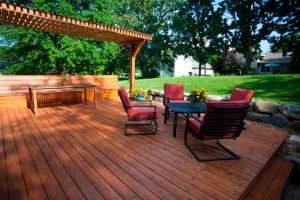
Consider adding a pergola or canopy to provide shade and protect against the elements, making your deck more comfortable during hot summer days.
Conclusion
Unlocking the potential of your deck requires a commitment to regular maintenance and timely restoration. By following these essential tips, you can ensure that your deck remains a beautiful, safe, and enjoyable part of your home. Whether you’re looking to restore an aging deck or simply improve its current condition, taking the time to care for your deck will pay off in the long run.
Remember, a well-maintained deck is not only a visual asset but also a valuable extension of your living space. Start your maintenance routine today and enjoy the benefits of a pristine, long-lasting deck.

0 Comments