
A well-designed deck can do wonders for your outdoor space, turning it into a functional and aesthetically pleasing retreat. Whether you’re looking to create a serene escape for yourself or a lively area for entertaining guests, the possibilities are endless. From modern minimalist designs to rustic, nature-inspired setups, there’s a deck design out there that will perfectly complement your home and lifestyle.
Incorporating Nature in Deck Design
Blending your deck seamlessly with the surrounding environment can create a harmonious outdoor experience. By incorporating natural elements like trees, shrubs, and even water features, you can design a deck that feels like an extension of nature itself. Consider placing your deck around an existing tree, allowing its branches to provide natural shade and a focal point. Using stone, wood, and other organic materials will further enhance the natural feel.
Modern Minimalist Decks
For those who appreciate clean lines and a clutter-free environment, a modern minimalist deck is the perfect choice. These decks often feature simple, geometric shapes and are constructed using materials like composite decking, concrete, and metal. The color palette is usually neutral, with tones of grey, black, and white dominating the space. Minimalist decks are all about functionality, so built-in seating, sleek railings, and hidden storage are common features.
Multi-Level Decks for Depth
Adding multiple levels to your deck can dramatically increase the depth and functionality of your outdoor space. Multi-level decks are perfect for properties with varying elevations or large outdoor areas. Each level can serve a different purpose—one for dining, another for lounging, and perhaps a third for a hot tub or fire pit. The varied heights create a dynamic visual effect, making your deck a focal point in your yard.
Rustic and Natural Wood Decks
There’s something timeless about a deck made from natural wood. Rustic wood decks, with their rich textures and earthy tones, bring warmth and charm to any outdoor space. Choosing reclaimed or sustainably sourced wood adds an eco-friendly touch while giving your deck a unique character. To keep the rustic feel, opt for wooden furniture, perhaps with a slightly weathered look, and add cozy touches like blankets and lanterns.
Decks with Integrated Seating
Integrated seating is a smart solution for maximizing space and comfort on your deck. Built-in benches and seating nooks not only provide ample seating but also help maintain a clean, cohesive look. You can customize the seating to fit the contours of your deck, and add cushions and throws for extra comfort. Some designs even incorporate storage under the seats, perfect for keeping outdoor essentials close at hand.
Adding a Pergola or Canopy
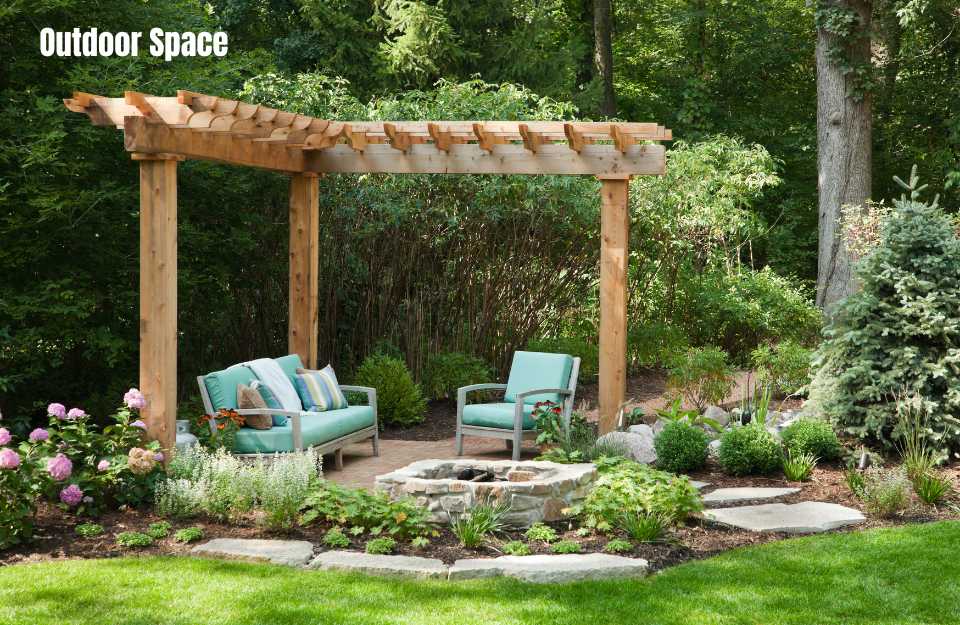
A pergola or canopy can transform your deck into an inviting, shaded oasis. These structures not only provide relief from the sun but also add a vertical element to your deck, making it feel more like an outdoor room. Pergolas can be left open or covered with climbing plants for a more natural look. A retractable canopy offers flexibility, allowing you to enjoy the sun when you want it and shade when you need it.
Decks with Fire Pits or Outdoor Fireplaces
A fire feature can add both warmth and ambiance to your deck, making it usable even on cooler evenings. Fire pits are a popular choice and can be built into the deck or placed as a standalone feature. For a more substantial focal point, consider an outdoor fireplace. Both options provide a gathering spot for friends and family, perfect for enjoying the outdoors year-round.
Floating Decks for a Unique Look
Floating decks, which are built just above the ground without being attached to a building, offer a unique and modern look. These decks are especially suitable for uneven terrain or spaces where a traditional deck might not be feasible. A floating deck can be a simple platform for seating or a more elaborate design with multiple levels and features like a hot tub or outdoor kitchen. Their slightly elevated position gives them a “floating” appearance, adding to their visual appeal.
Decks with Water Features
Incorporating water features into your deck design can create a tranquil atmosphere. Whether it’s a small fountain, a cascading waterfall, or a reflective pond, water elements add both visual and auditory interest. Placing a water feature near a seating area can enhance relaxation, while a pond or waterfall can become a focal point that ties the whole design together.
Decks with Outdoor Kitchens and Dining Areas
An outdoor kitchen can make your deck the ultimate entertaining space. Whether you opt for a simple built-in grill or a fully equipped kitchen with a sink, fridge, and pizza oven, the possibilities are endless. Pair your outdoor kitchen with a dining area, and you’ll have everything you need for alfresco meals. Durable materials like stainless steel, stone, and tile are ideal for withstanding the elements while maintaining a stylish appearance.
Maximizing Small Spaces
If you’re working with a smaller deck, maximizing every inch of space is crucial. Vertical gardens, built-in planters, and smart storage solutions can help you create a functional and beautiful area without feeling cramped. Use foldable furniture that can be easily stored away when not in use, and consider multifunctional pieces like benches with storage underneath. A small deck doesn’t mean you have to compromise on style—careful planning and thoughtful design can result in a cozy and inviting space.
Vertical Gardens and Deck Landscaping
Vertical gardens are an excellent way to add greenery to your deck without taking up valuable floor space. You can create a living wall by mounting planters or trellises on the sides of your deck, allowing climbing plants to grow vertically. This not only adds visual interest but also helps create a sense of privacy. Additionally, consider incorporating other landscaping elements, such as potted plants or a small herb garden, to enhance the natural feel of your deck.
Built-in Planters for Greenery
Incorporating built-in planters into your deck design is a practical way to bring nature closer. These planters can be integrated into the railing or the deck floor itself, providing space for flowers, shrubs, or even small trees. Built-in planters allow you to create a cohesive look, with the plants becoming an integral part of the deck’s design. Choose plants that thrive in your local climate for a low-maintenance garden that adds beauty and freshness to your outdoor space.
Lighting Ideas for Decks
Proper lighting can transform your deck from a daytime retreat into a nighttime oasis. Solar lighting is a popular choice for eco-conscious homeowners, providing a soft, ambient glow without increasing your energy bill. Place solar lights along the deck railing, stairs, or around the perimeter to create a welcoming atmosphere. For a more festive feel, string lights can be hung overhead or wrapped around posts, adding a cozy charm to evening gatherings.
Solar Lighting for Eco-Friendly Ambiance
Solar lighting is not only energy-efficient but also versatile and easy to install. These lights charge during the day and automatically turn on at dusk, providing a warm, inviting glow. Solar-powered lanterns, pathway lights, and even string lights can be used to highlight key areas of your deck, such as seating areas, stairs, and walkways. The subtle illumination creates a peaceful ambiance, perfect for relaxing outdoors after dark.
String Lights for a Cozy Feel
String lights are a simple yet effective way to add warmth and charm to your deck. They can be draped across a pergola, strung along the railing, or even wound around tree branches nearby. The soft light they emit is ideal for creating a cozy, intimate atmosphere. String lights come in various styles, from classic white bulbs to colorful options, allowing you to choose the look that best complements your deck design.
Deck Materials and Maintenance
The materials you choose for your deck will have a significant impact on its appearance, durability, and maintenance requirements. Wood, composite, and PVC are popular choices, each with its own set of pros and cons. Wood decks offer a natural, warm look but require regular maintenance to prevent weathering. Composite decks are low-maintenance and resistant to fading, while PVC decks are highly durable and available in a range of colors and styles.
Choosing the Right Materials
Selecting the right materials for your deck involves balancing aesthetics, durability, and maintenance. Natural wood like cedar, redwood, or tropical hardwoods provides a classic, timeless look but will need regular sealing or staining. Composite decking, made from a blend of wood fibers and plastic, offers the look of wood with lower maintenance. PVC decking is highly resistant to moisture, stains, and scratches, making it ideal for high-traffic areas.
Tips for Deck Maintenance
Proper maintenance is essential for keeping your deck looking its best and extending its lifespan. Regular cleaning, sealing, and repairs will protect your deck from the elements and prevent issues like rot or warping. Depending on the material, your deck may need to be power washed, sanded, and resealed every few years. Inspecting the deck regularly for loose boards, nails, or other hazards is also important for ensuring safety.
Creating a Cozy Atmosphere
Making your deck feel like an extension of your home involves adding personal touches and ensuring comfort. Soft textiles like cushions, throws, and outdoor rugs can make your deck more inviting and cozy. Choose weather-resistant fabrics that can withstand the elements, and don’t be afraid to mix and match patterns and colors for a more vibrant look. Adding decorative elements like lanterns, candles, and potted plants can also enhance the ambiance.
Using Textiles and Cushions
Textiles play a crucial role in making your deck feel warm and welcoming. Cushions and pillows can be placed on seating areas to add comfort and color, while an outdoor rug can help define different zones on the deck. Opt for fade-resistant, water-repellent fabrics that are easy to clean and maintain. Layering different textures and patterns can create a more dynamic and personalized space.
Adding Personal Touches to Your Deck
Personalizing your deck is key to making it a true reflection of your style and preferences. Consider adding unique elements like custom-built furniture, artwork, or a DIY project that showcases your creativity. Incorporating items that hold sentimental value, such as family heirlooms or souvenirs from your travels, can also make your deck feel more special. The goal is to create a space where you feel completely at home.
Combining Functionality and Aesthetics
A well-designed deck should be both beautiful and functional. Multi-use spaces, integrated technology, and thoughtful layouts can help you get the most out of your outdoor area. Consider how you want to use your deck—whether for dining, lounging, or entertaining—and plan the design accordingly. Adding features like built-in storage, a sound system, or even a projector screen can enhance the functionality of your deck while maintaining its aesthetic appeal.
Multi-Use Deck Spaces
Designing your deck to serve multiple purposes can maximize its utility and enjoyment. For example, a section of the deck can be dedicated to dining, with a large table and chairs, while another area can be set up for lounging with comfortable seating and side tables. If space allows, you can even incorporate a workout zone, a play area for children, or a garden section. The key is to create distinct zones that cater to different activities while maintaining a cohesive overall design.
Integrating Technology in Deck Design
Incorporating technology into your deck design can enhance both convenience and entertainment. Waterproof outdoor speakers, smart lighting systems, and even outdoor TVs can transform your deck into a high-tech haven. You can control everything from your smartphone, adjusting the lighting or playing music with just a tap. For those who enjoy outdoor movie nights, consider installing a retractable screen and projector, creating a cinema-like experience under the stars.
Sustainability in Deck Design
As environmental awareness grows, more homeowners are looking to incorporate sustainable practices into their deck designs. Using eco-friendly materials, such as composite decking made from recycled content, is a great way to reduce your environmental footprint. Additionally, consider incorporating water-saving features like rain barrels or drought-resistant plants into your deck’s landscaping. Sustainable designs not only benefit the environment but also create a healthier and more enjoyable outdoor space.
Using Eco-Friendly Materials
When selecting materials for your deck, consider options that are sustainable and have a low environmental impact. Recycled composite decking, bamboo, and FSC-certified wood are excellent choices for eco-conscious homeowners. These materials offer the durability and beauty of traditional decking options while being more environmentally friendly. Additionally, choosing local materials can reduce transportation-related carbon emissions.
Water Conservation Techniques in Deck Landscaping
Water conservation is an important consideration in deck landscaping, especially in areas prone to drought. Incorporating drought-resistant plants, such as succulents and native species, can reduce the need for frequent watering. Installing a drip irrigation system or rain barrels to collect and reuse rainwater are other effective strategies. These practices not only conserve water but also contribute to a more sustainable and low-maintenance garden.
Deck Design for All Seasons
Designing a deck that can be enjoyed year-round requires thoughtful planning and the right features. Consider adding elements like a covered area, outdoor heaters, or a fire pit to make your deck comfortable even in cooler months. Weather-resistant furniture, durable materials, and proper drainage will also ensure that your deck stands up to the elements, allowing you to enjoy your outdoor space no matter the season.
Preparing Your Deck for Winter
To ensure your deck remains in good condition during the winter months, take steps to protect it from harsh weather. Clean the deck thoroughly, removing debris and dirt that can cause stains or mildew. Apply a waterproof sealant to protect the wood from moisture, and consider covering furniture or storing it indoors. If you live in an area with heavy snowfall, make sure to clear snow off the deck regularly to prevent damage from the weight.
Decks with Year-Round Features
Incorporating features that can be enjoyed year-round, such as an outdoor fireplace, heated floors, or a covered area, can make your deck a versatile space. A retractable awning or pergola with a canopy can provide shade in the summer and shelter from rain or snow in the winter. Adding weather-resistant furniture and durable, easy-to-clean textiles will also help you enjoy your deck in any season.
Safety Considerations
Safety is a crucial aspect of deck design, especially if you have children or pets. Ensuring that the deck is structurally sound, with secure railings and slip-resistant surfaces, is essential. Regular inspections and maintenance can help identify and address any potential hazards. Additionally, incorporating child- and pet-friendly features, such as gated sections or enclosed areas, can provide peace of mind.
Ensuring Deck Stability and Safety
To ensure your deck is safe and stable, it’s important to follow building codes and regulations during construction. Use high-quality materials and secure fasteners to prevent wobbling or shifting. Install railings that meet height requirements and consider adding a gate at the top of stairs if you have young children. Regularly inspect the deck for signs of wear or damage, such as loose boards or rusted nails, and address any issues promptly.
Child and Pet-Friendly Deck Designs
Designing a deck that’s safe and enjoyable for children and pets requires careful consideration of their needs. Installing gates at stairways, using non-toxic materials, and ensuring that railings are spaced closely together are all important safety measures. Soft, weather-resistant flooring can provide a comfortable surface for kids and pets to play on. Additionally, creating shaded areas or adding a small water feature can help keep your pets cool during the summer months.
Conclusion
A beautifully designed deck can transform your outdoor space into a true extension of your home, offering a place to relax, entertain, and enjoy nature. Whether you prefer a sleek, modern look or a cozy, rustic retreat, there’s a deck design that will suit your style and needs. By incorporating thoughtful features and materials, you can create a deck that’s not only stunning but also functional and sustainable. With the right design, your deck can become a beloved gathering spot for friends and family, or a peaceful sanctuary where you can unwind and recharge.
FAQs
How much does it cost to build a deck?
The cost of building a deck varies depending on the size, materials, and complexity of the design. On average, homeowners can expect to spend between $15 and $35 per square foot. Custom features like built-in seating, outdoor kitchens, or high-end materials will increase the cost.
What are the best materials for a low-maintenance deck?
Composite and PVC decking are excellent choices for a low-maintenance deck. These materials are resistant to weathering, fading, and stains, requiring only occasional cleaning. They also come in a variety of colors and styles, allowing you to achieve the look of wood without the upkeep.
How can I make my deck more private?
To create privacy on your deck, consider adding elements like tall planters, trellises with climbing plants, or outdoor curtains. You can also install a privacy screen or a pergola with a canopy. These features not only provide privacy but also add to the overall aesthetics of your deck.
Can I build a deck myself?
Building a deck yourself is possible if you have the necessary skills and tools. However, it’s important to have a good understanding of construction principles and local building codes. For complex designs or larger projects, it’s often best to hire a professional to ensure the deck is safe and well-built.
What are the latest trends in deck design?
Current trends in deck design include the use of sustainable materials, outdoor kitchens, and multi-level layouts. There’s also a growing interest in creating seamless indoor-outdoor living spaces, where the deck feels like an extension of the home. Integrated lighting, fire features, and water elements are also popular additions.
How do I maintain my deck in different seasons?
Deck maintenance varies by season. In the spring and summer, regular cleaning and inspections are essential. In the fall, remove leaves and debris to prevent staining. In the winter, apply a waterproof sealant and clear snow promptly to protect the deck from moisture damage.

0 Comments